


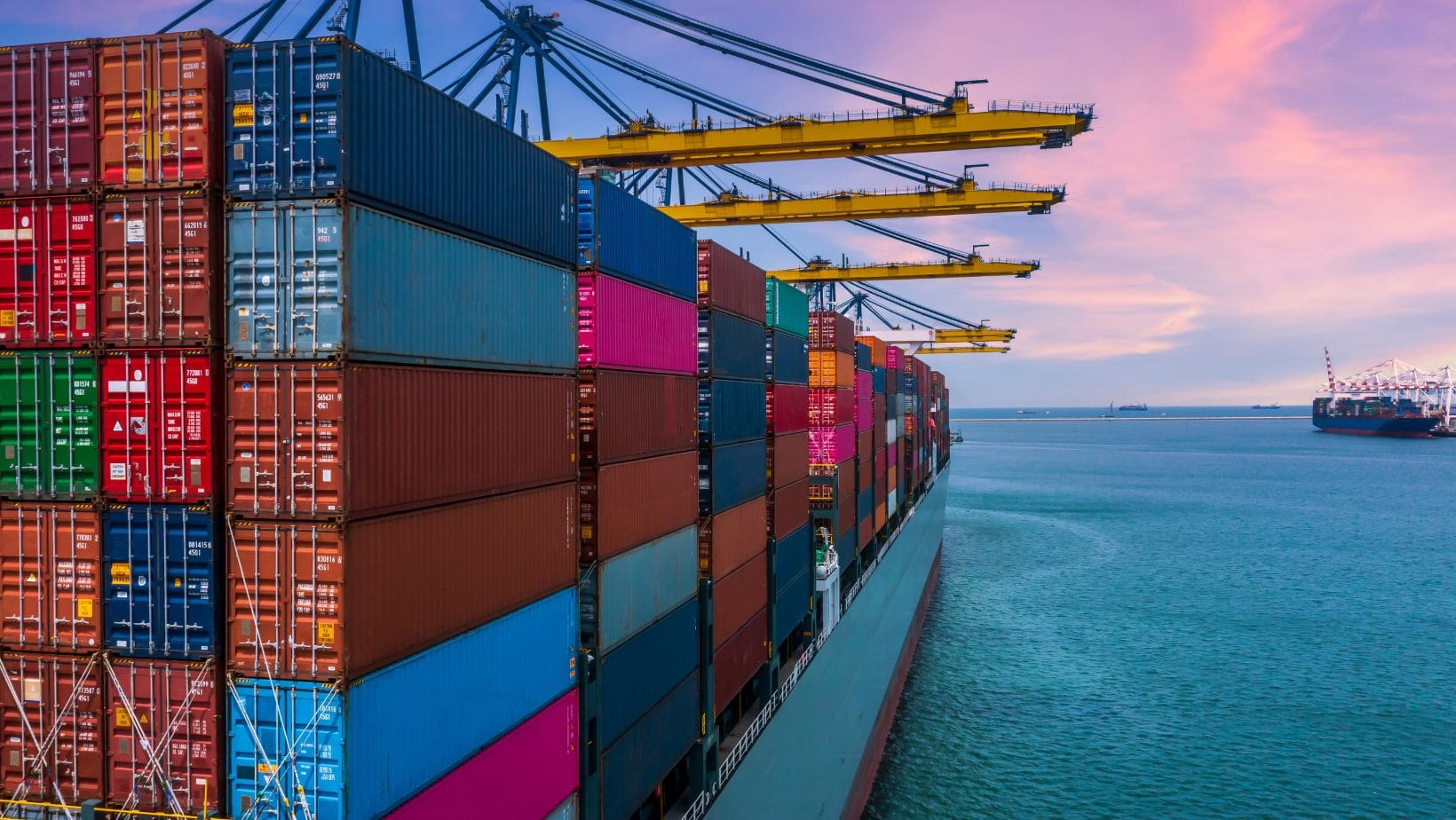
Australians are embracing innovative ways to build, store, and transport goods, and one trend continues to stand out: the growing use of the shipping container. Although containers were once limited to cargo operations, they are now becoming a major part of construction, home design, storage, and business innovation. As a result, more individuals and companies across Australia are discovering that these steel units offer exceptional value, flexibility, and long-term advantages.
In this article, readers will learn how shipping containers are being used across the country, why they are becoming more popular every year, and what makes them such an appealing option for different needs. The content below has been structured to ensure readability, flow, helpful information, and clarity—ideal for users searching for reliable insights.
The Rise of Shipping Containers Across Australia
Australia’s shifting economic landscape has encouraged people to look for smart, cost-effective solutions. Thus, shipping containers have become highly relevant for businesses and households across regions like New South Wales, Victoria, Queensland, Western Australia, and South Australia. Because they offer durability and versatility, they are now used not only for transport but also for storage, construction, and even mobile retail.
Furthermore, Australia’s strong import-export activity creates easier access to surplus containers. After containers complete their shipping cycles, many are sold at competitive prices. Therefore, Australians gain access to a high-quality structural product without having to invest in traditional building materials, which are often more expensive.
Why Shipping Containers Have Become a Smarter Choice
Shipping containers are built to face extreme weather during sea travel. Consequently, they adapt extremely well to Australia’s tough climate. From coastal humidity to outback heat, they withstand conditions without significant wear.
Additionally, because containers are made from strong corten steel, they resist corrosion, pests, and fire. These features make them ideal for long-term usage across various industries such as construction, mining, agriculture, retail, and tourism.
Moreover, many Australians prefer them because they can be recycled, repurposed, and relocated with ease. As sustainability becomes more significant, containers are viewed as a cleaner, greener alternative to traditional materials.
Benefits That Make Shipping Containers a Popular Option
1. Unmatched Durability
Shipping containers are designed to protect cargo from harsh environmental conditions. Therefore, their durability exceeds many conventional structures made from timber or plastic. They can last for decades with minimal maintenance, which makes them a cost-effective investment for both personal and commercial use.
2. Flexibility in Use
Another major benefit is flexibility. Containers can be transformed into storage rooms, backyard studios, mobile offices, emergency shelters, or luxury homes. Because they come in different sizes—most commonly 10ft, 20ft, and 40ft—they can suit almost any requirement.
3. Portability and Easy Relocation
Shipping containers can be moved quickly using trucks and cranes. As a result, Australians living in rural or remote areas can relocate structures without rebuilding them. This is especially useful for mining camps, agricultural properties, and temporary business sites.
4. Cost-Effective for Long-Term Requirements
Compared with constructing brick-and-mortar buildings, containers are significantly more affordable. They reduce labour costs and speed up project timelines. Although modifications may require an additional investment, total expenses remain lower.
5. Eco-Friendly and Sustainable
Australians are increasingly focused on sustainability. Reusing a shipping container instead of creating new building materials helps reduce waste, carbon emissions, and the environmental footprint of the construction industry.
How Australians Are Using Shipping Containers Today
Shipping Container Homes
Across Australia, modern homeowners are exploring shipping container homes. These homes are stylish, energy-efficient, and affordable. Since containers can be stacked, arranged, and customised, they serve as an excellent choice for eco-friendly living. Additionally, builders can finish projects faster than traditional construction, saving considerable time.
Mobile Offices and Workspaces
Businesses need flexibility, and many are choosing containers for temporary or mobile office setups. These offices are ideal for construction sites, mining zones, and pop-up business operations. Because they can be relocated easily, they help companies adjust quickly to different work environments.
Retail Shops and Cafés
The café and retail industries in Australia love the industrial-chic appeal of container shops. Shipping containers can be transformed into coffee kiosks, food stalls, pop-up stores, and boutique outlets. Furthermore, these shops add an eye-catching touch while keeping rental costs low.
Storage Units for Homes and Businesses
Storage is one of the most common uses for shipping containers. They offer security, weather resistance, and ample space. Whether used on a farm, factory, construction site, or home property, containers protect valuable equipment, tools, and supplies.
Portable Classrooms and Community Hubs
Community organisations and education providers are using containers to create portable classrooms, training centres, and youth activity spaces. Since they can be transported and installed quickly, they help support remote communities.
Emergency and Disaster Response Shelters
Australia experiences bushfires, storms, and floods. Consequently, containers are becoming a preferred choice for emergency shelters because they are safe, fast to deploy, and easy to modify.
Choosing the Right Shipping Container for Your Needs
Selecting the ideal container depends on the purpose, environment, and required features. Although there are several varieties, the main categories include standard dry containers, high-cube containers, refrigerated containers, and specialised units.
Standard Dry Containers
These are the most common containers and are suitable for general storage or structural modification projects.
High-Cube Containers
High-cube units provide extra height, making them perfect for workshops, studios, or home designs requiring additional space.
Refrigerated Containers
Reefers help businesses store perishable items such as food, pharmaceuticals, and temperature-sensitive materials. Many Australian farms and food distributors rely on them.
Specialised Containers
These include open-top, flat-rack, and tank containers used for specific industrial tasks.
Important Factors to Consider Before Purchasing a Shipping Container
1. Condition: New vs. Used
New containers offer a clean look and longer lifespan, whereas used containers cost less but may show signs of wear. Buyers should always check for rust, dents, and structural damage.
2. Size Requirements
Before purchasing, customers must consider available space and usage needs. A 20ft container works for most projects, but larger setups may require a 40ft unit.
3. Location and Delivery
Container delivery can be challenging in narrow or uneven spaces. Therefore, planning access for trucks and cranes is essential.
4. Ventilation and Insulation
For long-term structural projects, proper insulation and ventilation are crucial. This ensures comfort and energy efficiency in Australian climates.
5. Council Regulations
Some councils require approvals for container buildings, especially for residential and commercial uses. Buyers should always review local regulations before installation.
How Shipping Containers Support Australia’s Growing Industries
Construction and Infrastructure
Shipping containers reduce building costs and provide quick site setups. Construction firms use them as offices, storage rooms, and worker facilities.
Mining and Resource Sector
Remote mining sites rely heavily on portable infrastructure. Consequently, containers help set up accommodation, workspaces, and control rooms quickly.
Agriculture and Farming
Farmers use containers for storing grain, machinery, and animal feed. With their strong build, they protect goods from pests and weather damage.
Tourism and Hospitality
Eco-lodges, glamping cabins, and stylish holiday retreats often use modified containers to create unique experiences for tourists.
Events and Exhibitions
Containers are used as portable bars, ticket booths, first-aid stations, and display stands at Australian events and festivals.
Common Modifications Australians Add to Shipping Containers
Customisation plays a major role in the growing popularity of containers. Australians often modify units according to their needs, and common additions include:
- Doors, windows, and skylights
- Electrical wiring and lighting
- Insulation and interior linings
- Air conditioning systems
- Plumbing for kitchens and bathrooms
- Security enhancements
- Decks, verandas, and rooftop spaces
- Custom paint and branding
These upgrades help transform a simple steel box into a functional, comfortable, and stylish space.
Why Shipping Containers Are a Smart Investment for the Future
Shipping containers offer long-term value because they are durable, adaptable, and eco-friendly. Since sustainable building practices are becoming more common in Australia, the demand for reused structural materials will keep rising. Additionally, container-based projects can be completed faster and at lower costs, helping both individuals and businesses plan better.
Furthermore, because containers can be resold or relocated, they maintain good resale value. This makes them an excellent investment for users who want flexibility.
Final Thoughts
Shipping containers are reshaping the way Australians build, store, and innovate. Their durability, affordability, and adaptability make them suitable for countless purposes—from homes and offices to retail shops and farms. As sustainability becomes a priority, containers offer an environmentally conscious solution that truly supports modern living.
For readers exploring ways to use a shipping container, now is the perfect time to consider how this powerful, versatile structure can simplify projects and create new opportunities.



Leave a Reply