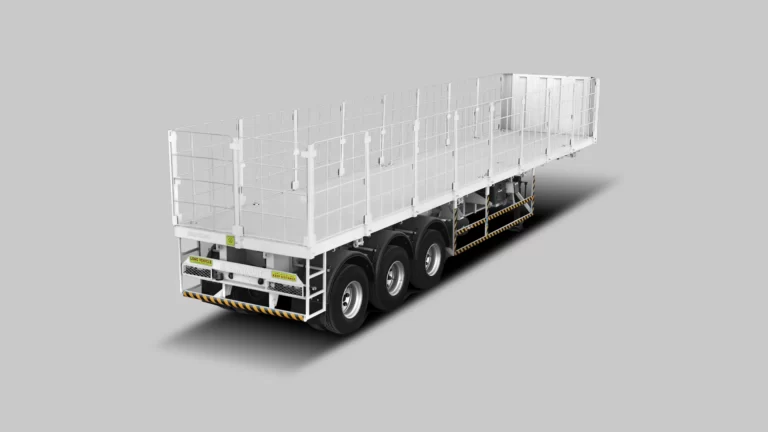
Transporting shipments securely is not merely a matter of having powerful cargo trailers but also of knowing the impact of weather on everything from travel conditions to long-term storage. Heat, cold, rain, snow, wind, and humidity may all have an effect on the materials, performance on the road, mechanical condition and even on the safety of the load. This is why any person who deals with hauling has to consider not just the condition of the road but the weather as well.
Heat Can Affect Structural Integrity
High temperatures can be tough on transport equipment, especially metal structures. The warmer the climate, the more it is going to expand; as a result, floors, hinges, locks, and external components may shift slightly due to constant exposure. The temperature in the interiors of the cargo trailers may rise significantly, affecting goods such as electronics, fabrics, or chemicals. Proper ventilation will help in reducing the internal temperature to ensure that the cargo is received in proper condition.
Rain and Moisture Can Lead to Rust and Corrosion
Moisture is one of the most damaging elements for long-term storage. The rainwater may seep into the crevices, drip into the interiors from wherever there are unsealed rooflines, and settle in corners that are rarely inspected. This may cause rusting, moulds, and damage the structure in the long run.
Corrosion can also occur even in aluminum models. They do not rust in the traditional sense, but salty water or various other chemicals can cause corrosion. Sealing, roofing tapes, painting, and frequent cleaning are quite effective in keeping your trailer rust-free.
Extra load for the towing vehicle.
Wind might not damage the equipment or the products; however, it can substantially alter the conditions of driving. Large haulers are essentially giant flat surfaces, making them vulnerable to strong crosswinds.
High wind conditions:
- Reduce steering control.
- Increase risk of sway.
- Reduce the predictability of braking.
- Extra burden on the tow vehicle.
The drivers who transport goods in the windy seasons should decelerate, arrange the weight correctly, and have proper tires and suspension systems.
UV Exposure Can Fade and Damage Exterior Materials
Harsh sunlight not only warms the inside, but UV rays can fade paint, decals, and rubber trim. Over time, seals may dry out, and small cracks can form around doors or windows. This results in openings for rain, dust, and insects to get into the storage premises. Regular UV-resistant coatings, washing, and occasional waxing help reduce long-term sun-related wear.
Humidity Creates Internal Cargo Risks
Most individuals concentrate on the rainfall and temperature but overlook humidity. Humidity causes problems in the coastal areas, particularly in cases where there is no rain. High moisture in the air can penetrate wood structures, fabrics, insulation, and stored goods.
Common issues include:
- Mold growth
- Warping
- Corroded hardware
- Condensation buildup
Ventilation, moisture absorbers, and sealed storage containers help protect goods stored inside the trailer.
The Weather’s Influence on Tires and Braking Systems
The initial safety in changing weather is the tires and braking systems. Hot weather raises the pressure in tires, whereas low temperatures reduce it, i.e., drivers should regularly monitor the tire pressure when there are significant changes in the season.
Moisture also has the effect of impacting brake lines as they become susceptible to corrosion. Frequent inspections will avoid mechanical breakdown related to weather when hauling over long distances.
Weather Affects Tires and Braking Systems
The way a trailer is kept is as important as its usage. Where possible, indoor storage is preferable. In case outdoor storage is the only option, take into consideration:
- Parking on hard ground to prevent sinking.
- Using breathable covers
- Raising up the front to cause water to run off.
- Checking seals and roofing frequently.
Little routine steps prevent big repairs later.
Conclusion
The weather significantly impacts the performance of a cargo car, its durability and the safety of transport of goods between one location and another. Regardless of whether people use it every day or keep it several months in storage, a properly preserved cargo trailer from top companies like N.A.Z Industries LLC that is not exposed to the elements will always be more valuable, less repaired, and safer to transport over the years.