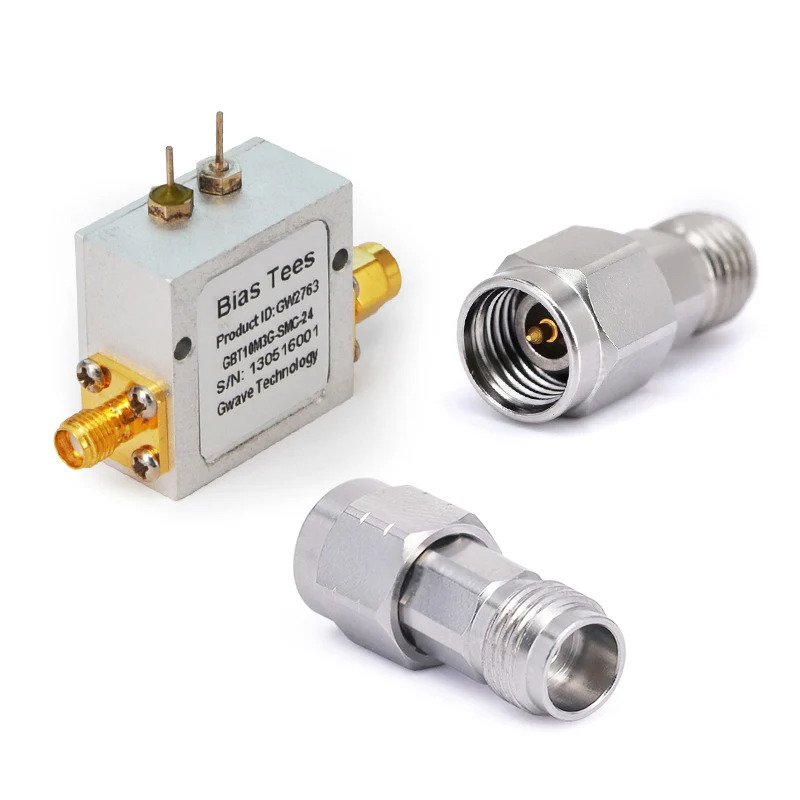
High-frequency testing depends on accuracy above all else. Even a slight mismatch in a connection can change results and lead to wrong conclusions. This is where the Mini-SMP adapter plays a quiet but essential role. It is often small in size, yet it sits at the center of reliable RF signal paths used in labs, production lines, and field testing. This guest blog explains how this adapter fits into real testing work, how it pairs with a VNA test cable, and what engineers should look for when choosing one.
Understanding the role of a Mini SMP adapter
A Mini SMP adapter is designed for compact RF connections where space and signal stability matter. Engineers use it when standard connectors feel too bulky or when dense layouts demand a smaller footprint. Its main job is simple Maintain signal integrity while allowing fast and repeatable connections In practice, this means it must handle high frequencies, frequent mating cycles, and mechanical stress without changing electrical behavior.
Where this adapter is commonly used
You will often find it in environments such as
- RF test benches
- Microwave and millimeter wave systems
- Automated test equipment
- Compact modules in communication hardware
Because these setups run at high frequencies, even minor losses or reflections can affect readings.
Why connection quality shapes test results
Every RF measurement is only as reliable as the weakest link in the chain. Adapters are sometimes treated as secondary parts, but experienced engineers know better. A poorly made adapter can introduce
- Higher return loss
- Unstable phase behavior
- Inconsistent readings between test runs
This becomes more visible when testing wide frequency ranges.
Consistency across repeated tests
In production testing or long-term research, repeatability is key. A well-built Mini-SMP adapter helps ensure that results remain consistent even after hundreds of connections and disconnections.
Working together with a VNA test cable
A VNA test cable is a precision tool used to connect a vector network analyzer to the device under test. When paired with the correct adapter, it allows accurate S-parameter measurements. The adapter acts as the bridge between the cable and the device. If this bridge is unstable, the entire measurement suffers.
What engineers expect from this pairing
When a Mini SMP adapter is connected to a VNA test cable, it should
- Maintain a stable 50 ohm impedance
- Keep insertion loss predictable
- Avoid unwanted movement during testing
These points may sound basic, but they define the quality of every measurement taken.
Material choices and why they matter
Materials play a significant role in how an adapter performs over time. High-frequency signals are sensitive to surface finish, plating quality, and base metal selection. Typical material traits engineers value include
- Strong mechanical strength for long life
- Smooth conductive surfaces for signal flow
- Resistance to wear during repeated mating
These traits help the adapter maintain performance across thousands of test cycles.
Frequency range and real-world needs
Many RF systems today work well beyond traditional microwave bands. This pushes adapters to support extensive frequency ranges. A Mini-SMP adapter used in modern labs often supports frequencies up to tens of gigahertz. This allows the same hardware to be used across multiple projects without constant replacement.
Benefits of broad frequency coverage
- Fewer adapter changes during testing
- Lower risk of mismatch errors
- Better planning for future test needs
This flexibility saves time and reduces unnecessary costs.
Mechanical stability in daily testing
Testing environments are not always gentle. Cables move, setups change, and equipment is reconfigured often. A reliable adapter should
- Hold its position once connected
- Resist wear on contact surfaces
- Keep alignment even under light cable pull
These features support steady results during long test sessions.
Temperature performance and reliability
RF systems often operate in varying temperature conditions. Adapters must handle both cold and heat without shifting electrical behavior.
Engineers value adapters that remain stable across a wide temperature range because this reflects real operating conditions.
This reliability becomes critical in aerospace, defense, and industrial testing, where environments are less controlled.
How expert manufacturing adds value
Precision RF components come from careful design and strict quality control. Companies that focus on RF hardware understand how small tolerances affect signal behavior. Flexi RF Inc has built its reputation by offering a wide selection of RF and microwave components, same-day shipping, custom design support, and experienced technical teams who understand testing challenges. This background matters when selecting parts for daily use in demanding setups.
Choosing the right Mini SMP adapter
Before selecting an adapter, engineers often consider a short checklist.
Key points to review
- Supported frequency range
- Return loss and insertion loss values
- Mating cycle rating
- Material and plating quality
- Compatibility with the VNA test cable in use
These points help narrow down options and avoid performance issues later.
Common questions engineers ask
Is a Mini SMP adapter suitable for high-frequency lab testing
Yes. When built to proper RF standards, it supports stable measurements across wide frequency ranges and is commonly used in lab and production environments.
Does the adapter affect VNA calibration?
Any adapter becomes part of the measurement plane. Using a consistent, well-characterized adapter helps keep calibration valid and repeatable.
How often should adapters be replaced?
Replacement depends on usage. High-quality adapters rated for many mating cycles can last a long time if handled correctly.
Can one adapter work across different projects?
A wideband Mini SMP adapter often supports multiple applications, which reduces the need for frequent changes.
Practical tips for longer adapter life
Small habits can extend the life of RF adapters.
- Keep connectors clean
- Avoid side loads on the connection
- Store adapters in protective cases
- Use torque tools when recommended
These steps protect both the adapter and the connected equipment.
Why do engineers pay attention to small components?
Adapters may seem minor compared to analyzers or antennas, but they directly influence data quality. Skilled engineers treat them as part of the measurement system, not an afterthought.
A dependable Mini SMP adapter paired with a stable VNA test cable supports precise data, confident decisions, and smoother workflows.
Final thoughts for RF professionals
High-frequency testing demands attention to detail at every connection point. The Mini-SMP adapter proves that even the most minor component can shape overall results. By choosing precision-adapted adapters and pairing them correctly with test cables, engineers protect their measurements and their time. In RF testing, clarity begins at the connection.