


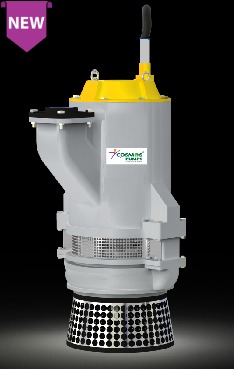
Choosing sustainable technologies will absolutely reduce the overall dewatering pump price when considering future operational costs. Many companies are now adopting green and sustainable practices by using systems that are eco-friendly, energy-efficient, durable, and easy to maintain. They are seeking better-performing, sustainable, and cost-efficient pumps, ready to use in industrial, construction, and municipal applications.
Understanding the Cost Factors of Dewatering Pumps
The ultimate cost of a dewatering pump is based on numerous cost factors that make up the total cost.These can include the motor size, the build materials, its repair needs, and energy costs. Other factors that contribute to longevity also include the environmental conditions, type of water displaced, and duration of operation.
So, choosing the right dewatering pump model and supplier decides your cost effectiveness. A reputabledewatering pump supplier in Bahrain offers reliability, durability, and energy efficiency. They can adapt and offer pumps according to your needs, offering the optimum value and ROI.
Sustainable Design Features That Reduce Long-Term Costs
Modern pumps now include sustainable designs and features. These features lower energy costs while also conforming to its long-term use. All of this allows a better return on your costs with minimum need for maintenance, operation, and total costs over the long haul.
· Energy Efficient Motors
Energy-efficient motors will not decrease performance, but they consume less electricity. This reduces costs associated with unnecessary energy waste, along with increased efficiency that keeps costs lower over time.
· Corrosion-Resistant Materials
Quality corrosion-resistant materials are made from stainless steel or special coatings. Durable materials reduce the frequency of replacing parts, especially needed for dewatering pumps.
· Sealed Bearings with a Lubrication System
Sealed bearings with proper lubrication systems will decrease friction, heat, and loss of energy. It will allow for maintenance, ensuring the pump performs without any trouble.
Operational Practices that Minimise Maintenance Expenses
Sustainability is also dependent on the operational and maintenance practices surrounding a pump. Properly servicing the essential parts of the pump and repairing them on time is critical to keeping costs under control.
· Periodic Inspection and Cleaning:
Regular inspection will eliminate the chances of pump blockage, leakage, or sediment. A cleaner pump will perform its function more efficiently, act faster, and save time and costs.
· Load Monitoring:
Monitoring your load helps you to prevent overworking the motor. Overload protection will simply ensure you maintain a consistent load on your cop motor and avoid overheating. This helps protect the motor from unnecessary damage.
· Water Quality Monitoring:
Water quality monitoring simply means you are avoiding debris/sediment interference within your equipment. But clean water will improve suction and lifting potential. This will reduce unnecessary wear and damage and aid in offering a consistently high performance.
· Scheduled Maintenance:
Scheduled maintenance service will enable timely malfunction detection. In addition, scheduled maintenance will increase the preventive life of primary protecting items like seals and bearings while remaining within repair budgets.
· Trained Operators:
Trained operators will be able to operate the pump continuously and efficiently. They will be able to notice and act on performance discrepancies. Trained operators help support consistently satisfactory operation, reducing the need for frequent replacements. Selecting sustainable technology and practices will save both initial and long-term dewatering pump price. A good investment supports consistent long-term efficiencies, greater scope for scalability, and reliability in the long term.



Leave a Reply