


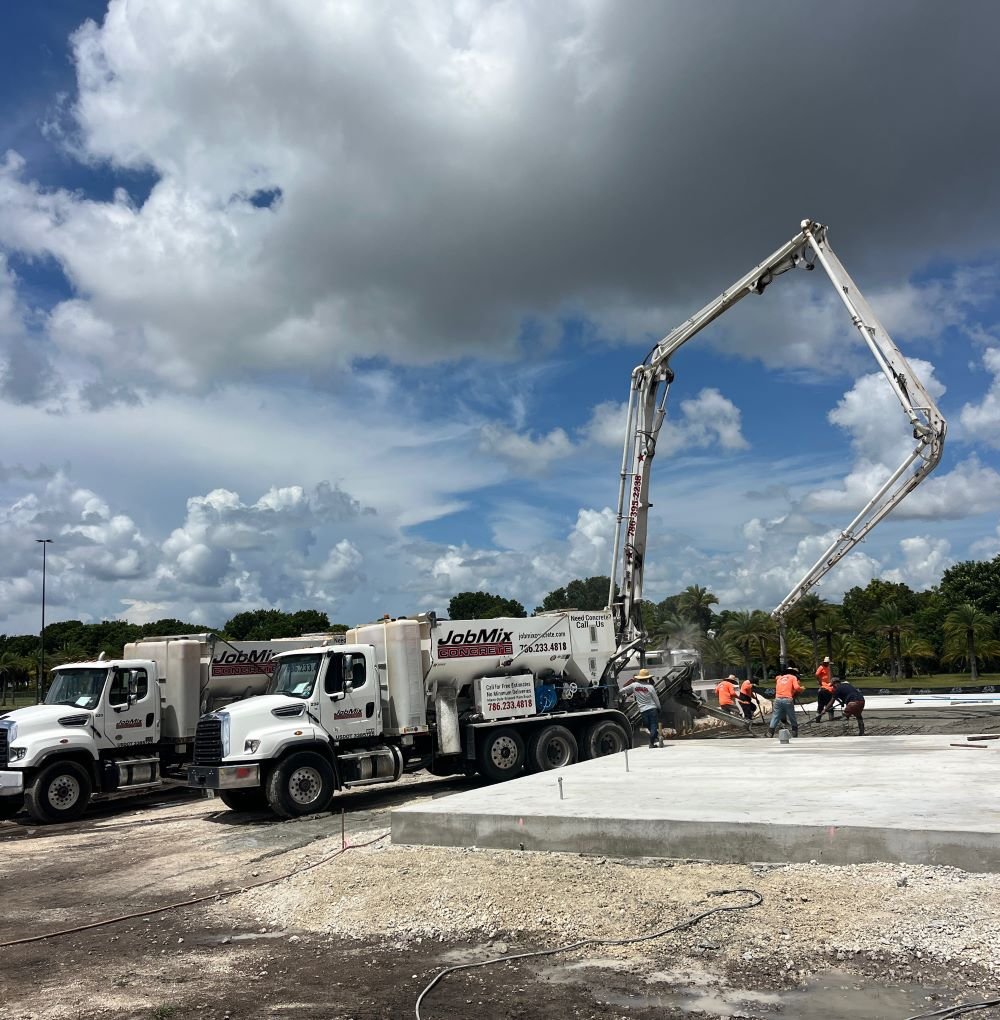
Concrete foundation pouring plays a key role in building structures that can handle pressure, weight, and long-term use. Every stable structure begins with proper groundwork, and the accuracy of concrete foundation pouring directly affects how well a building performs over time. In many construction projects, careful planning and precise placement decide whether the surface remains steady or develops issues later.
In real project conditions, timing, mix quality, and placement all work together during concrete pouring. When these factors are handled with care, the foundation gains better strength and consistency. Projects that involve residential homes, driveways, or commercial pads all depend on controlled pouring methods that reduce uneven settling and surface flaws.
Importance of Concrete Foundation Pouring for Stability
Strong foundations begin with correct depth, correct mix, and controlled placement. Concrete foundation pouring ensures that loads from walls and structures are evenly distributed to the ground. Without proper pouring methods, cracks and shifting can appear over time.
Key factors that matter during foundation work
- Correct soil preparation before pouring begins
- Even distribution of mixed material
- Controlled flow during placement
- Proper leveling before setting
These steps support long-term structural safety and reduce future repair needs.
Reliable Concrete Pouring Methods for Modern Projects
Modern construction relies on accurate concrete pouring methods that reduce delays and material waste. Line and boom pumping systems help reach tight or elevated spaces where direct discharge is not practical.
Different project types require different approaches
- Residential slabs and patios need steady flow control
- Commercial floors require wider and faster placement coverage
- Hard-to-reach areas depend on pump-assisted delivery
Role of Equipment in Accurate Placement
The smooth flow of concrete pouring is closely related to the equipment used. On-site fresh mixing is achieved using volumetric mixers, which help maintain consistency throughout the project. Pump systems also enable a smooth delivery without interruption, minimizing uneven surfaces and weak points.
Why Accurate Mixing Matters for Long-Lasting Results
The consistency of the mixture is directly related to the durability of the product. The ratio of water, cement, and aggregate is important, as if it is not correct, the foundation could lose strength over time. This allows high-quality material to be applied to all parts of the pour, which helps promote good bonding and minimize cracking.
FAQs
What is concrete foundation pouring used for
It is used to create stable bases for buildings, driveways, and structural surfaces that require long-term strength.
Why is concrete pouring accuracy important
Accurate pouring helps prevent cracks, uneven surfaces, and weak structural areas.
Can concrete be poured in hard-to-reach areas?
Yes, pump systems can be installed in basements, elevated spaces, and narrow locations.
How does mixing affect foundation quality?
Proper mixing ensures balanced strength, reducing the chances of early damage or surface failure.
Conclusion
Strong construction depends on precise planning, steady placement, and reliable equipment during every stage of foundation work. Projects that require consistent results benefit from controlled methods and experienced handling. JobMix Concrete supports this process with dependable mixing trucks, pump systems, and careful on-site coordination that keeps concrete foundation pouring and concrete pouring accurate from start to finish.



Leave a Reply